
Moon Township Neighbors and Block Sources
For an immediate block question, each source answers a different part of the picture. The County GIS viewer establishes the geometry. The property portal gives the current parcel record for one selected PIN. A deed or plan can explain legal boundaries. A regulated election list has its own statutory route. No source below is a roster of every person at an address. Use the source that fits the exact question, retain the selected parcel identifier, and describe results as parcel or record facts rather than assumptions about a household.
| Source | What It Shows About a Block | Access |
|---|---|---|
| Allegheny County GIS Viewer | Parcel geography, adjoining polygons, PIN and Map Block Lot context | Free viewer with address search, layers, pan, zoom, measure, print, and share tools. |
| Allegheny Real Estate Portal | Individual parcel assessment context and address channels | Address or PIN search, one parcel at a time. |
| Land records and plans | Recorded parties, legal description, plan references, and boundary evolution | County copy, counter, and online record routes. |
| State Street or Walking List | Registered-voter fields at listed addresses | Department of State request and use certification. |
| Mooncrest public program contact | Community-program context, not a member list | Township public contact route. |
| Historical Society or library | Community and house-history research help | Reference or contact visit, not a current block roster. |
A parcel boundary can be interrupted by an alley, right-of-way, stream, multi-parcel building, plan line, or road. That is why an adjacent-polygon method is more dependable than calling everything within sight a neighbor. It also makes the limit visible: the County map describes land geometry, not personal relationships.
Map Moon Township Neighbors by Parcel
The practical Moon Township neighbors workflow starts in GIS and ends with a separate property-record check for every adjoining PIN. GIS supports address search, parcel display, layers, panning, zooming, measuring, and printable maps. Use those tools to identify a legal adjacency rather than trying to infer a block from a name. Keep the map's date and scale with your notes. A change in the visible road layout or a wide right-of-way can make a nearby property different from an adjoining one.
- Search the subject address in the County GIS viewer and select its parcel polygon.
- Record the PIN and Map Block Lot, then pan one or two parcels to each side and across the street.
- Select every adjoining polygon separately and retain each parcel key, not merely a map label.
- Open each PIN or address in the Real Estate Portal and record the current property fields with their exact labels.
- Use a GIS print or share output to preserve which parcels were selected on that date.
For a full named-road record chain, the Moon Township street directory follows address-keyed parcels farther along the street. The immediate-block method stays deliberately smaller: it maps the touching or directly adjacent parcel geometry first.
Verify Moon Township Neighbor PINs
GIS identifies a polygon, but the associated property record should be checked in the separate County portal before it is used as a record lead. The public Real Estate Portal has Address and Parcel Number modes. In address mode, enter the base street name without its suffix, add the house number if known, and choose Moon Township in the optional Municipality field when that helps narrow the result. The inspected public screen did not expose an owner-name search. That local limitation matters when the question begins with a person rather than an address.
Read the three County address labels separately. The physical property location is the situs, or where the parcel lies. Owner mailing is for assessment-change and appeal-hearing notices. Tax mailing can differ when taxes are handled through escrow. Insider tip. Owner-mailing and tax-mailing fields are correspondence paths, not a statement that the contact lives on the parcel. A parcel can also be held by more than one owner, a trust, or an entity.
Note: A map click becomes a usable record lead only after the PIN is verified in the County property portal.
Moon Township Street Lists Have Limits
Pennsylvania's official voter data separates an individual status check from list requests. VOTE.pa is a person-specific registration channel. The Street List is the by-street record route and includes name, residential address, mailing address, party, and active or inactive status. The Walking List is a Street List without mailing address. Neither one identifies every person on a block, and an inactive status is not a finding that someone has left the address.
The Department of State's request form cites 25 Pa.C.S. §§ 1207(b), 1403(c), and 1404(b)(1), along with SURE regulations. The full voter export costs $20 and requires a certification limiting its use to the purposes stated on the form. Request only the relevant lawful record, do not republish a street list, and do not treat an individual self-check as permission to create a block profile. Address Confidentiality Program participants and other protected voters may use substitute-address treatment.
Moon Township Community Contacts
Moon's public community layer is contact based rather than member-directory based. The available sources point to programs, reference desks, public meetings, and local history help. They can offer context about a place or route a question to the right organization. They do not provide an official association roster, a homeowners' association roster, a block-watch list, or a congregation list. That absence is important: no verified public directory should be implied where the research found none.
| Public contact | What it offers | Block-record boundary |
|---|---|---|
| Mooncrest Neighborhood Programs | Public program and volunteer contact for a documented Mooncrest community | No resident or member directory is published. |
| Moon Township Volunteer Fire Company | Four local stations and weekly Monday public meetings for prospective volunteers | Civic contact, not a list of neighborhood households. |
| Moon Township Historical Society | Jockers Repository context, programs, and local-history material | Historical help, not a current block roster. |
| Moon Township Public Library | Genealogy and reference contacts, in-library Ancestry Library Edition, and regional referrals | Collection and research assistance, not a neighbors list. |
Start a local-history question with an address, historic name variant, PIN, plan reference, or known year. That gives a library or historical contact an archival anchor without asking them to disclose private membership information.
Mooncrest Context Is Not a Roster
Mooncrest is the clearest verified neighborhood-specific context in the Township's public material. It was developed in 1943 for war-production workers and became a local historic district in 2005. The Township's historic-preservation survey identified 147 historic resources across 14 neighborhoods. For a block researcher, that can explain why a structure has district-review or Certificate of Appropriateness material. It cannot name present residents or establish who occupies a parcel today.
The Township describes Mooncrest Neighborhood Programs as serving and revitalizing a 395-unit complex with nearly 700 people. That number is useful only as program context. It is not a count of searchable neighbors, and the program page publishes no resident roster. Myth check. A detailed community description does not create a lawful directory of people in that community.
Moon Township Neighbor Tools Compared
Official records and commercial neighbor products serve different purposes. A County parcel map shows the geometry selected on the map. A property card shows its own assessment fields. A commercial category may combine public and other data, but it can lag, merge similar names, omit residents, or repeat an error. Neither category replaces a direct record from the office that maintains it. The better practice is to keep a source label beside every fact and recheck it through the original custodian.
| Source category | Useful evidence | Limit |
|---|---|---|
| Official GIS and property records | Parcel geography, PIN, assessment context, and recorded-property route | Not a list of everyone at an address. |
| Official voter-list request | Regulated election record at listed addresses | Purpose limits and protected-address treatment apply. |
| Commercial neighbor category | A possible clue that needs independent confirmation | May be stale, incomplete, merged, or inaccurate; it is not primary evidence. |
The Pennsylvania Treasury claim portal is another example of a separate, purpose-built state service.
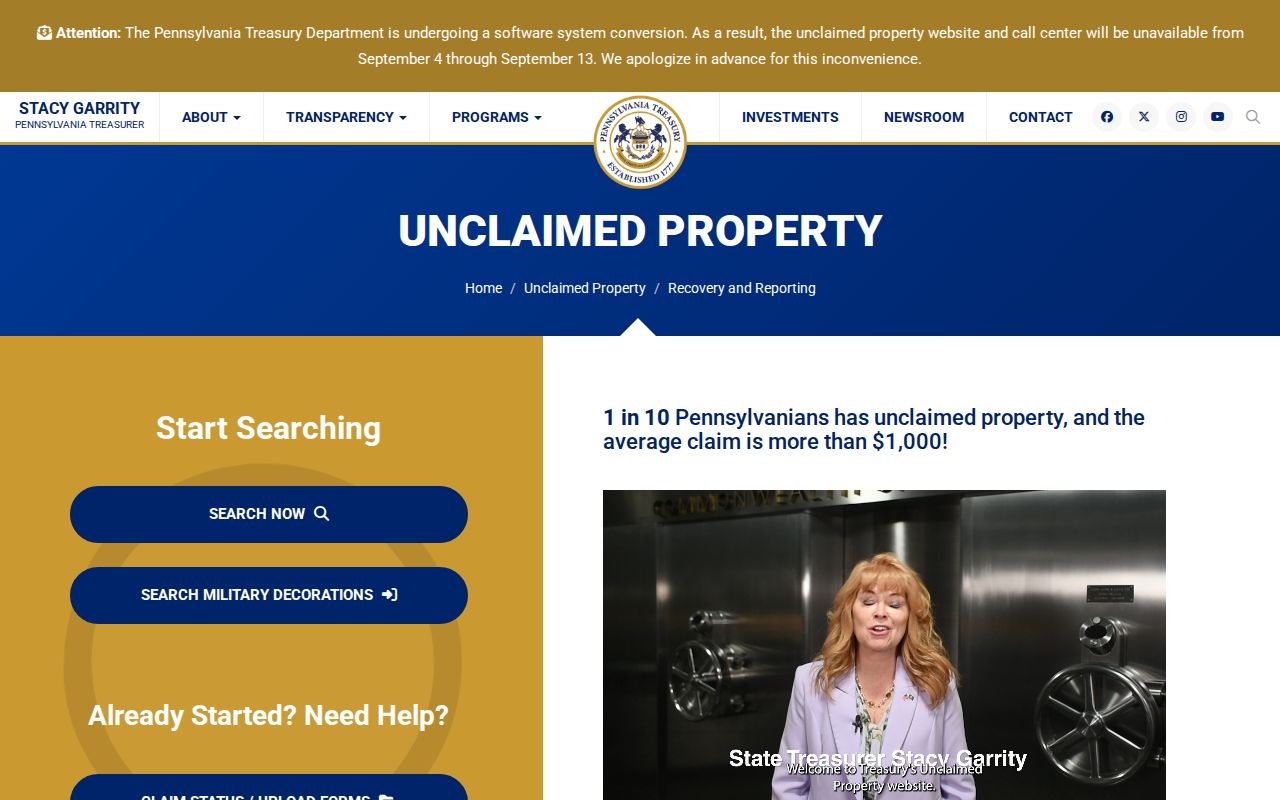
A claim search is not address evidence and should not be folded into a neighbor record without a verified official claim process.
Moon Township Neighbor Privacy
A block search cannot reveal private household details, utility or delivery data, DMV residential information, protected court material, or private organization membership. Pennsylvania's Address Confidentiality Program allows qualifying people to use a substitute address in specified court, state, voter, school, vehicle, and marriage systems. A substitute or nonmatching address is not a map error to solve. It is a privacy condition to respect. Court documents can also be sealed, redacted, or limited by rule or statute.
Lawful use. Use Moon Township neighbor records for personal, civic, family-history, or property-curiosity research. Never use a record to stalk, harass, intimidate, or harm another person.
The Pennsylvania Address Confidentiality Program page describes the substitute-address protection and enrollment route.
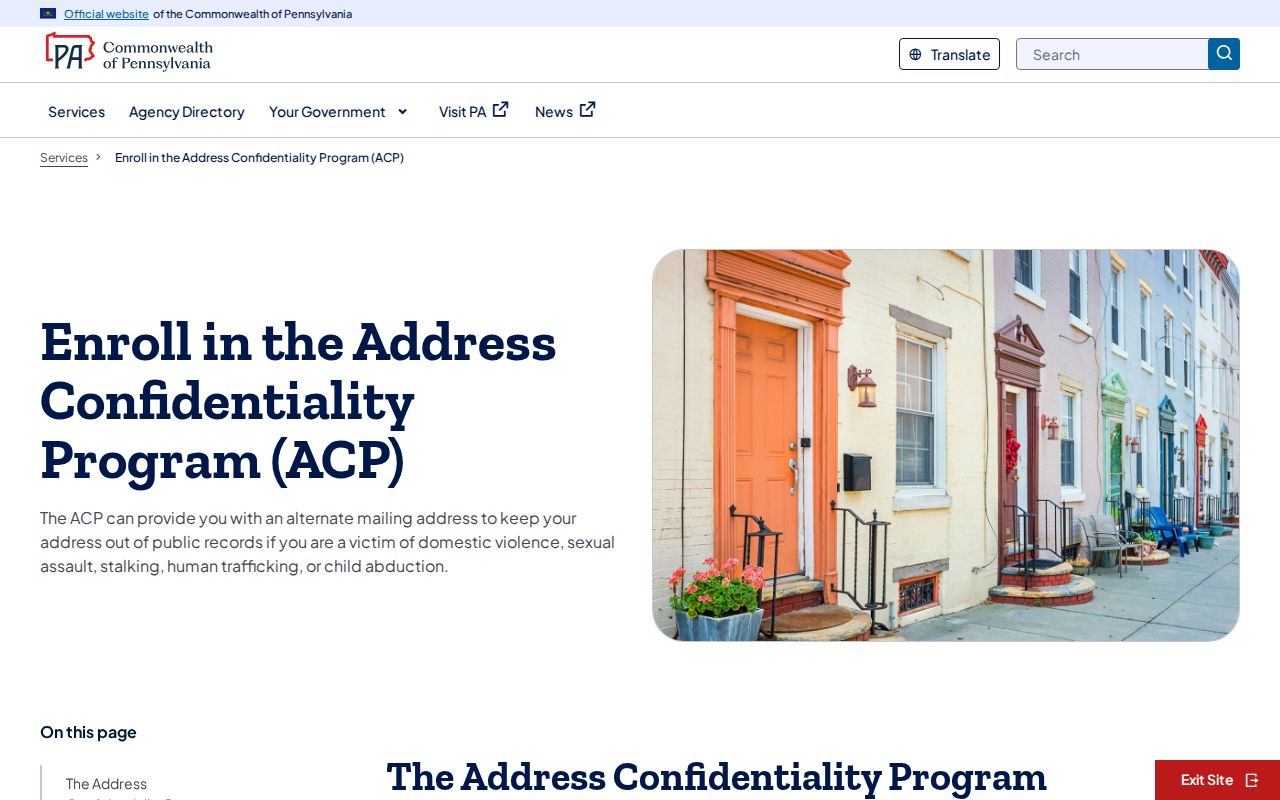
The program is part of a safety plan and requires renewal every three years, so a visible address discrepancy should not be pursued through another source.
Moon Township Neighbors Need Separate Records
Some official systems look person related but are not block sources. Current vital certificates use an eligibility and identity process, while mature archival records follow separate date rules. A Pennsylvania public-safety registry also carries its own purpose notice. Keeping those records in their own channels avoids turning a parcel map into a general person search and preserves the access conditions each custodian set.
The Pennsylvania authorized vital-record order service is shown below as a record channel with its own order process.
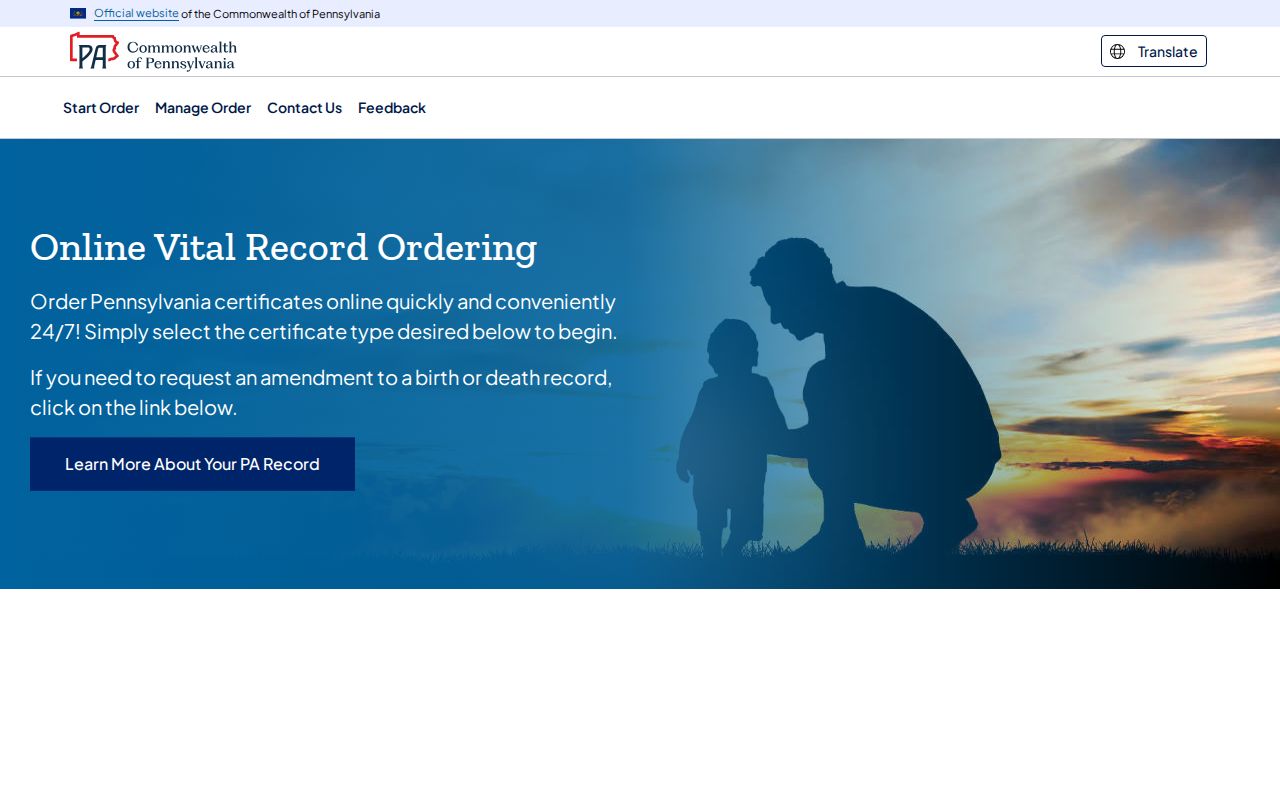
Vital-record ordering is not a method for identifying nearby residents, and a request must follow the Department of Health's eligibility rules.
The Pennsylvania State Police information page distinguishes the public-safety registry purpose from the state inmate locator.
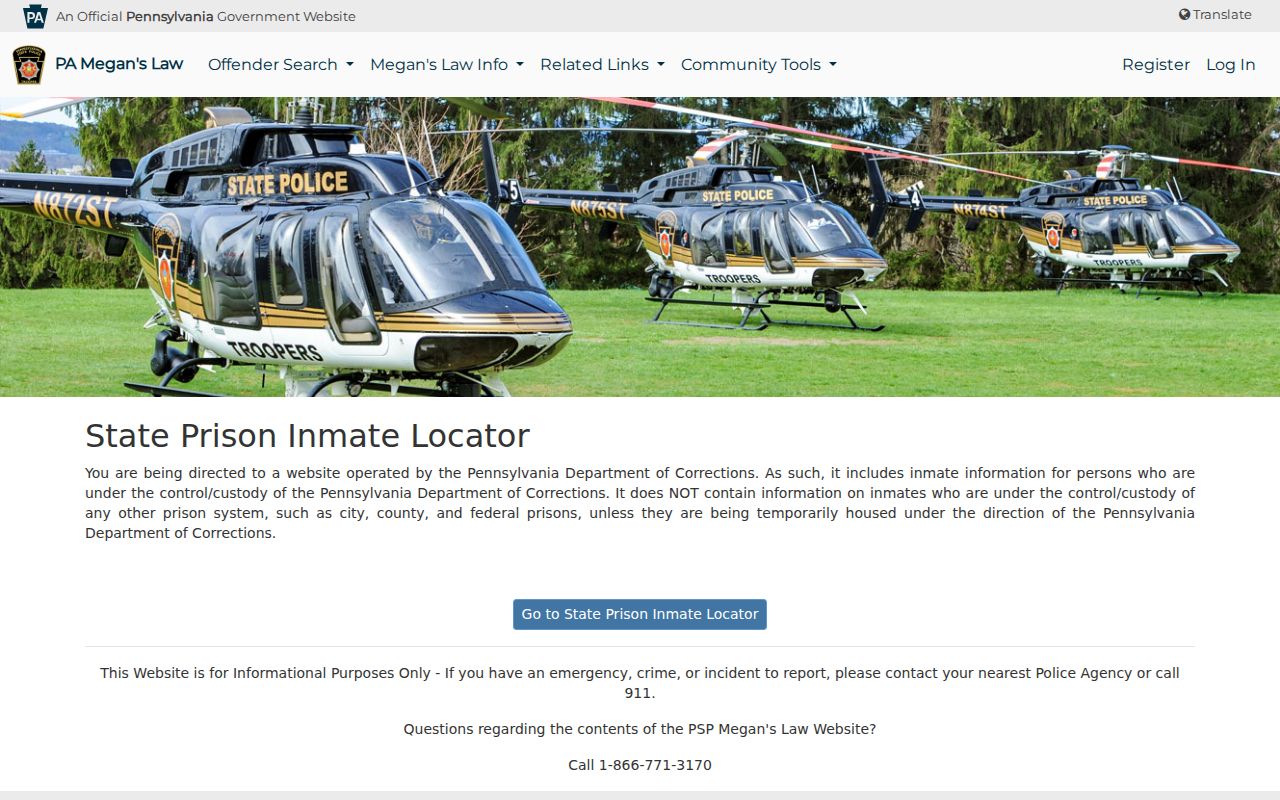
The State warns that threats, intimidation, or harassment can carry criminal or civil consequences. A record's public availability never changes that boundary.
Note: When a County record seems wrong, seek correction from the office that holds that record rather than relying on a copied version.